Administrative hours: Mon–Fri 8:00 a.m. – 5:00 p.m. CST · Clinicians available evenings and weekends until 9 p.m. CST
Racial trauma counseling
Racial Trauma Counseling in San Antonio, Texas
Culturally affirming, bilingual counseling for the emotional and mental impact of racism, discrimination and microaggressions, so you can heal and feel grounded in who you are.
- Bilingual, culturally aware counselors
- In person & telehealth
- Evenings until 9 p.m.
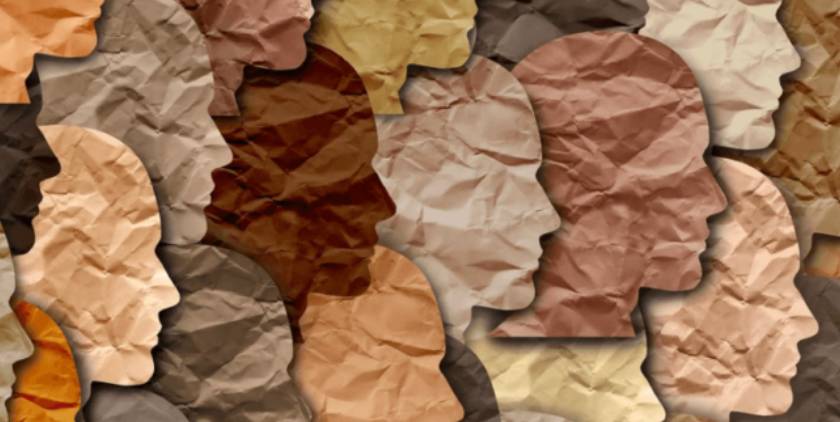
A culturally affirming spaceYour experiences are valid
Overview
African Americans (Black people) and members of the Hispanic/LatinX community contend with structural racism along with subtle, and occasionally overt, racism routinely. This can lead to “race-based traumatic stress” (RBTS) and other debilitating mental health burdens.
Cultural impact of racism
Studies have found that encountering racism has a negative effect on mental wellness, which is why it’s critical for People of Color and those in the Hispanic/LatinX community to understand that racism is a mental health issue. In a nutshell, being on the receiving end of racism causes trauma, making you more vulnerable to developing mental health problems. Research also shows racism is deeply embedded in our culture and can harm mental health in several trauma-originating ways. Prolonged exposure, direct or indirect, to racial discrimination can produce debilitating psychological and behavioral outcomes, including:
- Poor cognitive function
- Depression
- Stress
- Emotional distress
- Anxiety
- Post-traumatic stress disorder (PTSD)
- Suicidal thoughts
Research even indicates that the fear of racism itself can undermine healthy mental and emotional wellbeing and suppress qualities such as resilience, motivation and hope.
Racism does not exist in isolated moments that fade. Its effects build over time, and every encounter you experience, witness, read about or see in the media is one more drop in the “bucket of trauma,” affecting people regardless of age, socioeconomic status and gender.
After so many drops in the bucket, people experiencing racism commonly develop what’s called racial trauma, with symptoms comparable to post-traumatic stress disorder (PTSD), a condition commonly triggered by experiencing or witnessing a terrifying event. Racial trauma is the fallout that occurs when a person encounters racism, including negative thoughts about yourself, others and everything around you, which can weigh on your mood and outlook.
What is racial trauma?
Racial trauma refers to the emotional and stressful impact of racism and racial discrimination, such as hurtful comments, being affected by stereotypes, barriers to advancement and more. Racial trauma leads to heightened stress and, over time, a less mentally healthy life.
What makes racial trauma so damaging is that many of its symptoms come from fear that a similar discriminatory experience will happen again. When you are always on guard and on high alert, the stress hormone cortisol floods your bloodstream constantly. Living in a state of elevated, ongoing stress contributes to anxiety, depression and cognitive impairment.
Racial trauma can refer to a specific event of racial discrimination, or to the continuous emotional weight of discrimination that builds over time. People can develop racial trauma from something they experienced directly or from seeing others mistreated because of their race. Simply learning about the racism experienced by friends, family and others can surface vicarious race-based trauma, and news coverage of events rooted in racial discrimination can be psychologically debilitating, with repeated viewing amplifying stress.
While people of all racial and ethnic minority groups are at risk of racial trauma, Black people and those in the Hispanic/LatinX community are uniquely at risk, because the racism toward both communities is individual, systemic and historical. Extensive research shows that Black adults and Hispanic/LatinX adults in America develop PTSD at significantly higher rates.
It is also important to stay mindful of the compounding impact of belonging to other marginalized groups beyond race, such as gender, sexuality, religion and primary language, and how these intersections increase the likelihood of racial trauma. Understanding racial trauma through the lens of intersectionality allows Rhapsody’s bilingual, culturally competent counselors to serve the full spectrum of Black people and the Hispanic/LatinX community in coping with racial trauma and stress.
Race-based traumatic stress (RBTS) refers to the emotional and mental injury caused by racially biased and ethnically discriminatory encounters, racism and hate crimes. Black, Indigenous and People of Color (BIPOC) who have experienced an emotionally painful, uncontrollable racist encounter are at risk of a race-based traumatic stress injury, and repeatedly re-experiencing it may produce symptoms that mirror PTSD.
Symptoms of racial trauma
Symptoms of racial trauma vary over time and from person to person, but they can affect nearly every aspect of daily functioning and wellbeing. Continuous incidents can produce symptoms that resemble PTSD, appearing within a month of a traumatic event or staying hidden until years later. They can look like anger, flashbacks, nightmares, anxiety, depression, avoidance, physical responses (such as chest pains, insomnia and headaches), low self-esteem, hypervigilance, and either mentally distancing from the experience or being unable to stop thinking about it.
Unlike PTSD, racial trauma is not considered a mental health disorder. It is a mental injury that can result from experiencing racism or from working or living within a racist system. Not everyone who experiences racism will develop symptoms, and we all react in different ways. Reactions are commonly grouped into four types: avoidance, intrusive memories, negative changes in mood and thinking, and changes in emotional and physical reactions. Research has found some symptoms that are somewhat unique to racial trauma:
- Increased suspicion & vigilanceSuspicion of institutions (government, schools, agencies), trusting only family and close social networks, and avoiding eye contact.
- Increased threat sensitivityAvoiding risks and new situations, defensive postures, and heightened sensitivity to being shamed or disrespected.
- A narrowing sense of timeLiving in a constant state of alert can make it hard to set long-term goals or picture a future, and dying may be viewed as an expected outcome.
- Chronic stress in the bodyOngoing stress, headaches, stomach aches, depression and anxiety.
These psychological outcomes apply to adults and have been found in youth as young as 12. If you feel you may be experiencing racial trauma, we are committed to creating a culturally affirming, open and empowering space where you can heal.
How racism is related to poor mental health
Research suggests the stress response to racial discrimination is one way racism affects mental health. Discrimination increases stress, and continuous chronic stress can change the brain. In one study, Black women who often experienced racism had almost three times the risk of poor subjective cognitive functioning: your mental capacity for learning, reasoning, problem-solving, decision-making, paying attention and remembering.
- “A lot of preclinical data does show that chronic stress decreases functioning and neural connectivity in the hippocampus and the prefrontal cortex, and this would be consistent with a causal link to cognitive decline.” — Kerry J. Ressler, Professor of Psychiatry, Harvard Medical School
Research has also shown that experiencing racial discrimination can:
- Increase levels of stress
- Lower your sense of self-worth and self-esteem
- Help explain why Black Americans experience more sleep difficulties than those who have not experienced racism
- ~25%more likely to be diagnosed with a mental disorder
- 2×as likely to develop severe psychological distress
Research published by the American Academy of Pediatrics found that young Black and Hispanic/LatinX adults who faced discrimination only a few times a month were about 25% more likely to be diagnosed with a mental disorder and twice as likely to develop severe psychological distress as those who did not. This research helped shape the race-based traumatic stress theory, which likens racial trauma to PTSD.
Racial trauma and the stress of microaggressions
Some racism is so subtle that neither the person committing it nor the person receiving it fully understands what is happening, which can be especially toxic. Racial microaggressions are derogatory messages or insults, sometimes veiled, directed at Black people or those in the Hispanic/LatinX community, often from well-intentioned people who feel they’ve done nothing offensive.
A single microaggression may not seem damaging on its own, but a continuous flow of them over time can be devastating to mental wellness. Research on racial microaggressions toward Black college students found higher levels of self-doubt, depression, frustration and isolation that also affected their education, and research with Hispanic/LatinX students reached the same conclusions.
In the workplace, microaggressions can feel like death by a thousand cuts: comments masquerading as compliments that stay with you for years. Examples include co-workers saying:
- “You’re so articulate”Generally meaning “I didn’t think you would be this educated or well spoken.”
- “You’re being aggressive”Generally meaning the person is uncomfortable that you are confident or assertive rather than deferring.
- “Your people” or “you people”Assuming all Black or Hispanic/LatinX people are the same.
- “Where were you born?” or “Where are you from?”Implying the U.S. is not your home or that you don’t belong here.
Three common forms of microaggressions
These brief verbal or behavioral indignities, intentional or not, often occur daily in one of three forms:
- MicroassaultsExplicit racist attacks, verbal or nonverbal, that are conscious, deliberate and meant to hurt, such as racial slurs, name-calling, discouraging interracial interaction or displaying a Confederate flag.
- MicroinsultsMore subtle and sometimes unconscious slights that seem innocuous but are demeaning, such as a Hispanic/LatinX shopper being mistaken for a store clerk, or someone clutching their purse as a Black person walks by.
- MicroinvalidationsComments and behaviors that exclude or dismiss a person’s feelings, thoughts or experiences, such as suggesting someone was hired because of their race rather than their skills, education or talent.
Ongoing microaggressions are linked to low self-esteem, anxiety, depression, increased stress and even suicidal thoughts, and people who experience them continuously are more prone to anger, sadness and hopelessness.
If you feel you are being targeted by microaggressions, Rhapsody’s bilingual, culturally competent counselors are committed to creating a culturally affirming, open and empowering space for you to heal from racialized trauma in all its forms.
What you can do to heal
It’s common to struggle to process racial trauma. Feeling unable to cope or focus is normal, and many people simply want to curl up and cry. But holding in painful feelings or anger harms our emotional wellbeing, and sharing frustration and pain can help.
Recognizing and expressing our feelings helps us understand why we feel overwhelmed and strengthens our ability to process those emotions. Putting painful feelings into words can make firmly held anger and sadness feel less intense, while suppressing fury, anguish and outrage for a long time can lead to debilitating mental health consequences.
Acknowledge your anger
Outrage and anger are appropriate responses to racial injustice. How we process our pain can reduce racial trauma’s long-term effect on mental health while making us stronger advocates. Anger can turn volatile, but harnessed and channeled, it can spur action and change through protest, conversation, volunteering or advocacy. Transforming anger into motivation can support self-advocacy and positive change, while kindling self-improvement and leadership against injustice.
Protect your mental wellness
Just as we prevent physical ailments by staying active, there are proactive things we can do to protect our mental wellness:
- Limit your news & media intakeVideo of people being assaulted, harassed or killed because of racism can spur trauma and trigger unhealthy reactions. Take breaks from social media and the news when you can.
- Reach out to your support networkLean on family and friends, connect with your community, and take part in culturally affirming activities.
- Take care of your physical selfEat well, sleep well and move your body. These basics give you strength to get through the moment and the next day.
- Allow yourself to feel hopeRecognize even small signs of change, and believe that small changes can lead to bigger ones.
- Choose a positive outlookReading biographies of prominent Black Americans who persevered through adversity can remind you that you too can overcome microaggressions, stereotypes and insults.
- Seek therapyLeft unaddressed, racial trauma can lead to serious consequences such as anxiety, depression or PTSD-like symptoms. We are here for you.
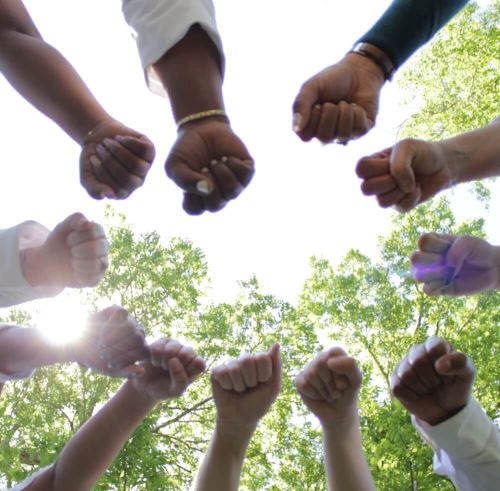
How Rhapsody Counseling can help
Racism and discrimination come at you in many ways, and their combined effect can keep you in a hypervigilant state with toxic levels of stress. Racial trauma counseling gives voice to what is often a silenced experience, so you can put your frustrations and struggles into words. Our therapists specialize in bilingual racial trauma counseling and can equip you with tools to revisit your experiences safely and to read the spaces you find yourself in, so you can avoid harmful situations going forward.
We offer in-person and online counseling in an honest, compassionate, self-reflective environment where you can work through difficult racial experiences. Racial trauma counseling can help you:
- Develop stronger boundaries
- Identify successes and challenges
- Find validation for your experiences
- Cultivate external and internal spaces of safety and self-care
- Understand how past experiences act as triggers today
- Develop strategies for the overt and covert racism you may encounter going forward
What we work on together
- Navigating institutional barriersWe identify effective strategies for the barriers you face daily, especially when workplaces, banks, universities and other organizations say they are committed to antiracism but your day-to-day reality feels like the opposite.
- Interrupting negative internalized messagesMost Black and Hispanic/LatinX people in America have been exposed to constant negative messages about who they are, where they fit in and how far they can go. Together we identify those messages and build strategies to reject them when they surface.
- Honoring your ethnic prideResearch shows that connecting to one’s ethnic identity is a key protection against race-based stress. This might include exploring the history, wisdom and strength of the Black and Hispanic/LatinX communities.
- Building coping strategiesWe identify contributing stressors and use different interventions and tools to help you build the coping strategies you need to thrive.
Related services
Other ways we can help
Many concerns overlap. Your therapist will tailor your care to everything you are working through.
Trauma Therapy
Trauma-informed care that moves at your pace, helping you feel safe and more like yourself again.
Learn more about trauma therapyEMDR Therapy
An evidence-based approach that helps your brain process painful memories so they hold less power.
Learn more about emdr therapyAnxiety Counseling
Learn practical ways to quiet racing thoughts, ease worry and feel more at home in your own body.
Learn more about anxiety counselingDepression Counseling
Steady, gentle support to lift the heaviness, reconnect with what matters and rebuild your energy.
Learn more about depression counselingStress Counseling
Sort through work, family and life pressures, and build habits that help you recover and cope.
Learn more about stress counselingImmigration Evaluations
Thorough, bilingual psychological evaluations for hardship, asylum, VAWA and U-Visa cases.
Learn more about immigration evaluations
You deserve to be heard
Talk with a culturally affirming therapist
Call us or send a request and we will connect you with a bilingual, culturally aware counselor, in person in Windcrest or Helotes, or by telehealth.
If you are in crisis or thinking about harming yourself, call or text 988 (Suicide & Crisis Lifeline) or call 911.